How to Plan Transportation for Weddings and Large Events
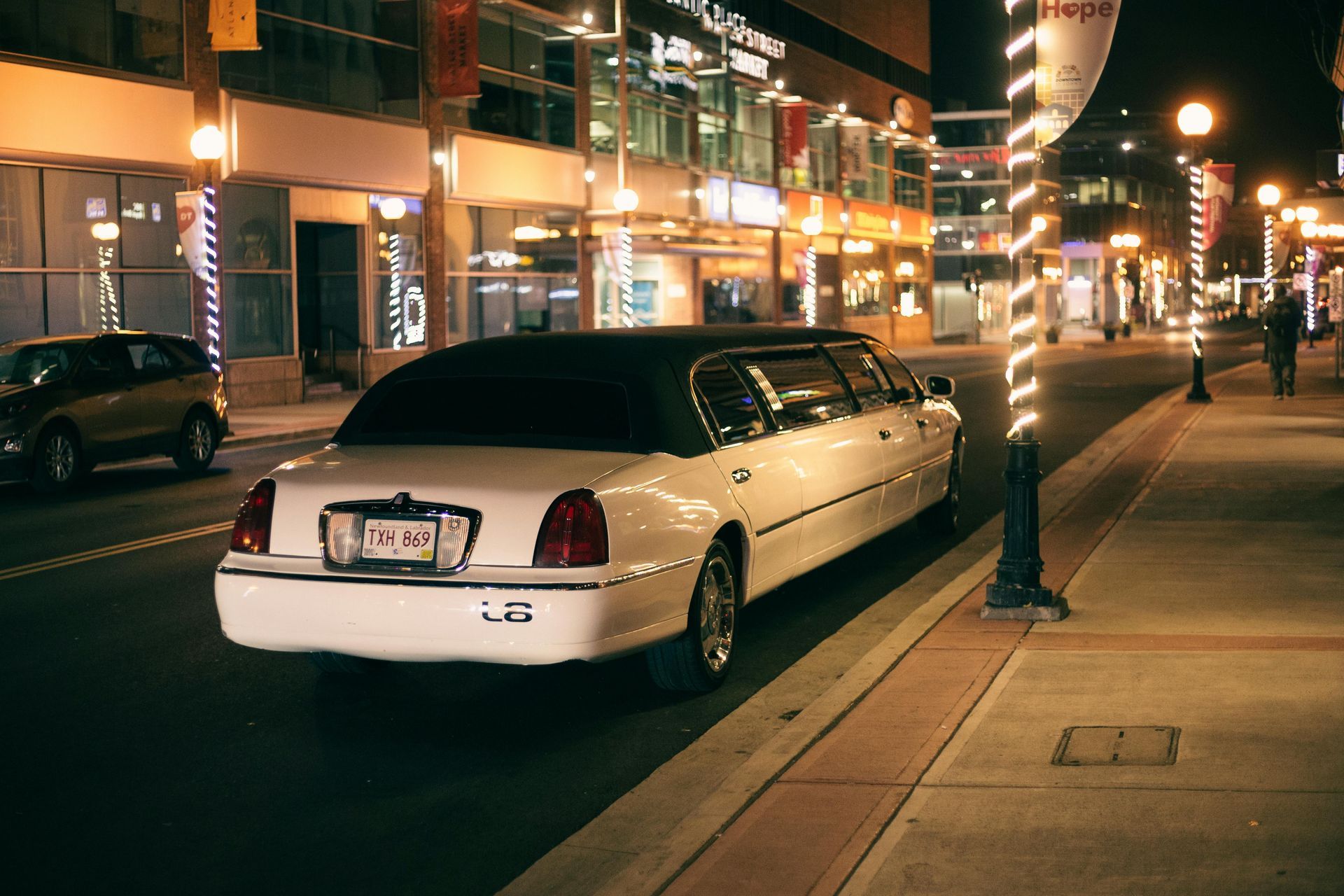
Weddings and large-scale celebrations are defined by moments that unfold seamlessly, with relaxed guests, organized schedules, and an overall sense of intentional flow. Even though transportation can be subtle, it greatly affects the event’s smooth operation. Effortless movement of guests between venues maintains a positive, focused atmosphere. Without careful planning, transportation may create delays, stress, and disorganization. Proper planning ensures transportation enhances the event instead of causing disruption.
Transportation impacts nearly every stage of a wedding or big event, from the first arrival to the last departure. Coordinating various vehicles and timelines calls for precision and attention to detail. Premium transportation service improves the experience with focus on comfort, reliability, and structure. With intentional transportation planning, hosts can enjoy the event without worrying about logistics. A well-planned transportation strategy contributes to a calm, polished, and memorable event experience.
Understanding the Scope of Your Event Transportation
Planning transportation effectively requires a clear understanding of the event’s scale. Factors like attendee numbers, activity sequences, and venue logistics must be assessed. Ceremonies, receptions, photo opportunities, and post-event activities are common elements. Timing for each movement needs careful planning to avoid delays. Recognizing these details beforehand reduces the risk of last-minute problems.
The Good Life Transportation Company ensures transportation aligns with the full event plan. Guest flow, priority schedules, and potential bottlenecks are carefully reviewed to avoid disruptions. This level of assessment allows transportation plans to feel natural and unobtrusive. Planning for potential challenges helps maintain smooth operations. This produces a transportation plan that perfectly fits the event’s timing and flow.
Establishing a Practical and Efficient Transportation Timeline
An organized timeline is key to smooth transportation during events. The schedule includes pick-up windows, travel times, extra buffers, and departures. Including flexibility within the schedule helps absorb minor delays without affecting the broader itinerary. Precise timing ensures seamless transitions between each part of the event. Guests enjoy the event more when transportation is organized and reliable.
Aligning the transportation timeline with the event itinerary is critical for smooth coordination. Collaboration with planners and organizers ensures that transportation complements key moments rather than conflicts with them. Synchronization of schedules minimizes errors and enhances team coordination. Having a unified schedule supports quick changes when required. Dependable timing helps maintain a professional and smooth event flow.
Enhancing Guest Comfort During Every Transition
Transportation is judged largely by how comfortable guests feel during transitions. Comfortable vehicles, smooth rides, and attentive service allow guests to relax between activities. Relaxed guests are better able to enjoy and engage with the celebration. Transportation is part of the overall welcoming and attentive experience. Guest-focused transportation shows attention to detail and concern for attendee experience.
Guest experience benefits from clear, organized, and comfortable transportation. Well-marked pickup points and structured boarding minimize stress and confusion. Guests appreciate knowing where to go and what to expect at each stage. Emphasis on intuitive transitions helps minimize stress. Such planning leaves guests with a lasting impression of quality and care.
Managing Multiple Groups With Precision
Big events frequently include various groups needing separate transport. Guest categories, including family, wedding parties, and other attendees, may have differing routes or schedules. Proper coordination ensures each group’s needs are accounted for without overlap. Addressing the requirements of each group without affecting the schedule is essential. Segmenting groups properly helps maintain organized and timely transit.
Managing these distinctions requires structured coordination and clear communication. Drivers and event coordinators collaborate to ensure each group arrives on time and accurately. Guests experience smooth transitions without being aware of the complexity involved. Behind-the-scenes planning ensures the event maintains a seamless flow. Careful attention to group logistics reduces confusion and prevents delays.
Maintaining Reliability Throughout the Event
Reliability is essential when transportation supports a structured event schedule. On-time transportation ensures ceremonies, receptions, and event activities proceed smoothly. Reliable service prevents transportation from becoming a logistical burden. Guests and hosts alike benefit from dependable service. Dependable service strengthens confidence in the event’s overall schedule.
Professionalism and advance planning are key to ensuring dependable service. Timing and readiness of vehicles and drivers are closely monitored to maintain consistency. Each transfer is managed carefully to preserve the event’s rhythm. Structured management reduces interruptions and keeps the event moving. Maintaining consistent service ensures the event progresses as planned.
Integrating Transportation Into Event Design
Considering transportation as part of the overall event design enhances its effectiveness. The style and flow of transportation can complement the atmosphere of the celebration. When coordinated with décor, scheduling, and guest management, transportation enhances the overall presentation. Careful planning read more makes every pickup and drop-off feel deliberate. This integration elevates the perceived quality of the event.
Optimal transportation supports the event’s intended design and flow. Transportation timing should complement the event schedule without disruption. Aligned transportation ensures the event feels smooth and well-managed. Guests notice when every detail feels connected. Well-planned transit is part of the overall celebratory experience.
Managing Final Transitions and Departures
The final moments of an event are as critical as the opening. Organized departures help attendees exit easily and with confidence. Detailed departure planning minimizes confusion and traffic at the event’s end. Attendees value an orderly exit following a memorable celebration. The last transition contributes heavily to the guests’ overall perception.
Even after the main event, transportation demands careful planning. Synchronization of post-event transport ensures guests leave safely and comfortably. Continued focus on structured departures underscores reliable service. Properly managed departures highlight the planning behind the event. Transportation remains a key contributor until the very end.
Transportation Planning as an Essential Event Element
Effective transportation planning plays a key role in the success of weddings and large gatherings. Properly managing schedules, comfort, and coordination strengthens overall event flow. Each transition plays a role in maintaining momentum and guest satisfaction. Careful planning of transport improves the quality of the celebration. Strategic transport planning ensures events unfold smoothly and efficiently.
The Good Life Transportation Company ensures each event receives meticulous, professional, and high-quality transportation. Our approach prioritizes seamless integration, dependable service, and guest satisfaction throughout. Transportation is treated as an essential element of the event, not an afterthought. This commitment supports seamless celebrations and well-executed transitions. Detailed planning ensures transportation enhances the event from first to last moment.